
TMJ Therapy – Huntsville, OH
Lasting Relief From Head, Neck, & Jaw Pain

If you place your fingers in front of both of your ears and open and close your mouth, you’ll feel a set of hinges moving just beneath the skin. These are the temporomandibular joints (TMJs), which enable you to freely move your jaw in various directions. Like many other joints in the body, the TMJs can become strained, leading to a TMJ disorder (TMD). If you’ve been dealing with chronic jaw pain, headaches, or lockjaw, reach out to Northwest Family Dental of Huntsville and ask about how we can help with TMJ therapy in our Huntsville, OH dental office!
Why Choose Northwest Family Dental of Huntsville for TMJ Therapy?
- Friendly Dentist Who Treats Patients Like Family
- Advanced Technology for Customized, Comfortable Splints
- Same-Day, After-Hours, & Weekend Emergency Appointments
Diagnosis & Treatment

To find the best method of providing lasting relief for head, neck, and jaw pain, Dr. Kevin Grill will first need to perform a thorough examination. Not only will this help him determine whether your symptoms are the result of a TMD, but he can also identify the root cause of the issue. Whether that be chronic teeth grinding, an injury to the face, a misaligned bite, or improperly placed dental restorations, Dr. Grill’s treatment recommendations will be designed to target the specific source of your discomfort.
Equilibration / Occlusal Adjustments
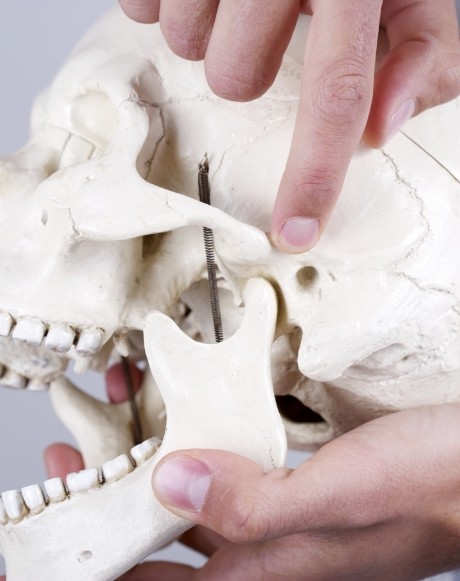
If bite misalignment or poorly fitting restorations are to blame for your TMJ dysfunction, then the ideal solution might be an occlusal adjustment, also known as equilibration. This relatively non-invasive procedure involves carefully reshaping a few specific teeth (or restorations) to ensure that one side of your bite isn’t being placed under more pressure than the other. By evenly distributing your bite force, the stress on your jaw joints will be relieved.
Occlusal Splints
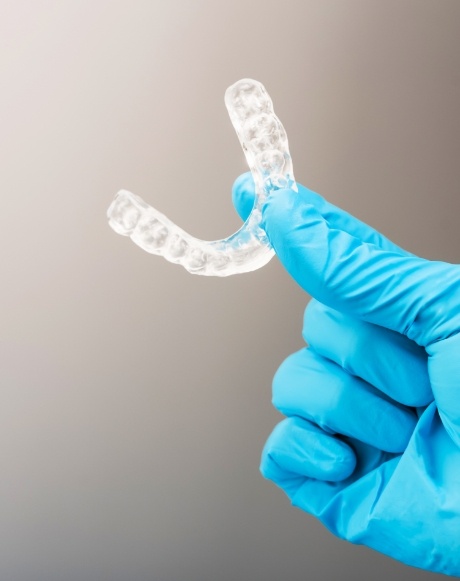
Nightly teeth grinding, also called bruxism, is another common cause of TMD, but an occlusal splint can help greatly. A splint is a customized appliance that fits over your teeth. It functions (and looks) like a night guard to protect your teeth from the harmful forces of clenching and grinding. However, it also gently repositions your jaw as you sleep, which reduces tension in your TMJs and often prevents grinding from occurring at all.
TMJ Treatment FAQs
Can TMJ Be Cured Permanently?
All things considered, TMJ disorder can be cured permanently. It’s just a matter of which treatment option (if any) you decide to pursue.
You’re not likely to find a “cure” if you leave your disorder alone. While TMJ issues can sometimes subside on their own, they often persist until their underlying cause is addressed. In other words, don’t expect home remedies and pain relievers to improve your long-term condition.
In contrast, TMJ treatments like occlusal splints and equilibration can permanently address the problem. They gently adjust your jaw’s joints to bring you lasting relief!
Is TMJ Treatment Safe?
When performed by qualified professionals, TMJ treatment in Huntsville is completely safe. It won’t do any harm to you or your smile.
For starters, TMJ treatments tend to be non-invasive and conservative. They don’t usually make any drastic changes to your jaw’s structure or makeup. The procedures instead act gently and gradually, moving your jawbone into a better position to provide relief. Examples of these include occlusal splints, equilibration / occlusal adjustments, etc.
To learn more about the safety of TMJ treatment, consult your dental provider. They’ll gladly share the relevant details with you!
Can TMJ Dysfunction Be Treated Without Surgery?
Yes, it’s entirely possible (and even encouraged) to treat TMJ dysfunction without surgery. Addressing your jaw’s issues doesn’t have to involve surgical care.
In the first place, surgery isn’t the preferred TMJ treatment option. It makes permanent changes to the jaw and nearby anatomy, so medical professionals only suggest it as a last resort. A TMJ specialist will always advise less invasive and more conservative procedures before mentioning surgery.
Aside from at-home methods, several non-surgical treatments exist for TMJ dysfunction. These include occlusal splints, equilibration / occlusal adjustments, and so on.
How Long Does TMJ Treatment Take?
The timeline for TMJ treatment depends on the procedure you choose. Based on your final decision, your care could take anywhere from minutes to months.
Indeed, different TMJ procedures have different average lengths. A patient must wear an occlusal splint every night for a few weeks or several months before symptoms fade. On the other hand, equilibration (or occlusal adjustments) can sometimes provide instant relief through a small bite change. Treatment will take longer, though, if the required changes are large and more encompassing.