
Gum Disease Treatment – Huntsville, OH
Improving the Health of Your Gums

As many as 50% of adults in the United States will develop gum disease at some point, often without even realizing it. That’s why it’s so important to prioritize your biannual dental checkups and learn the symptoms you should keep an eye out for in the meantime! If you do start to suspect that something is wrong, don’t wait – call Northwest Family Dental so we can schedule an exam and, if needed, intervene with gum disease treatment.
Why Choose Northwest Family Dental for Gum Disease Treatment?
- Nitrous Oxide Sedation Available for Nervous Patients
- Friendly Dentist Dedicated to Using the Latest Technology
- Your Comfort Is Our Top Priority
What is Gum Disease?
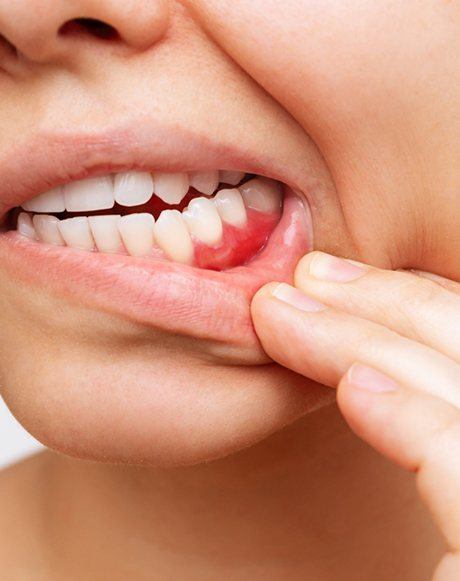
In short, gum disease is an infection that can wreak havoc on your oral and overall health. That’s why it’s so important to seek gum disease treatment in Huntsville as soon as possible if your gums show symptoms. Otherwise, you run the risk of losing your teeth!
Symptoms of Gum Disease
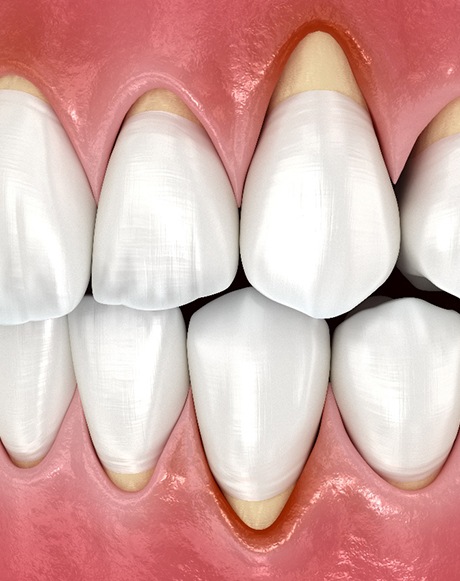
Between your biannual visits, keep an eye out for abnormal symptoms, including:
- Bleeding when you brush or floss
- Tender, red, or swollen gums
- Teeth that appear longer than usual
- Chronic bad breath
- Loose teeth
If one or more of the above arise, then it’s of the utmost importance that you contact our dental team.
How Do We Treat Gum Disease?

There are actually two types of gum disease treatment that we offer at our dental office in Huntsville: antibiotic therapy and scaling and root planing. Below, you will find a little more information about each.
Scaling & Root Planing

To directly target gum disease, Dr. Grill will perform a type of dental cleaning that goes beyond what you’d expect at your routine checkups. This is known as scaling and root planing. After breaking up and clearing away the built-up plaque and tartar deposits on and below your gum line, he’ll smooth down the roots of your teeth, which promotes faster healing while discouraging bacteria from gathering there in the future.
Do You Need Scaling & Root Planing?

To find out if scaling and root planing is ideal for you, we will first complete an examination of your mouth. X-rays are also captured to collect as much information as we can. Depending on the condition of your gum tissue, the depths of the pockets, and the progression of your gum disease. We might recommend scaling and root planing.
The Process of Scaling & Root Planing

The complete scaling and root planing process is usually completed over the course of two appointments, but this can vary from patient to patient. To remove plaque and tartar, we will start by scaling the teeth with dental tools. We will target the gumline, where bacteria build up.
Once the scaling portion is complete, we will move on to the root planing part of the treatment. This is when we smooth down sections of the teeth beneath the gumline. This helps the gums adhere to the teeth, speeding up the healing process by making it more difficult for bacteria to build up in the future. Ultimately, this process reduces the risk of developing gum disease again in the future.
Aftercare Tips for Scaling & Root Planing

It is normal for the gums to feel a little bit sore after scaling and root planing. There may also be some inflammation. This is temporary and should subside over the next couple of weeks. Here are some tips to help the healing process go quickly and smoothly.
- Brush twice per day with a soft-bristled toothbrush and fluoridated toothpaste
- Rinse your mouth with saltwater after meals
- Floss every day
- Stick to a soft foods diet following your treatment
- Avoid foods and beverages that are spicy, acidic, or hot
- Refrain from intense physical activity as the area heals
Antibiotic Treatment

Even with a deep cleaning, we can’t always remove all of the harmful bacteria from the deep pockets between your gums and teeth. What can help, however, is antibiotic therapy. We often supplement scaling and root planing by applying a topical antibiotic, called Arestin, to your gums. Over the course of several days or weeks, the medicine spreads throughout your gums, killing bacteria in the deepest recesses of the tissue.