
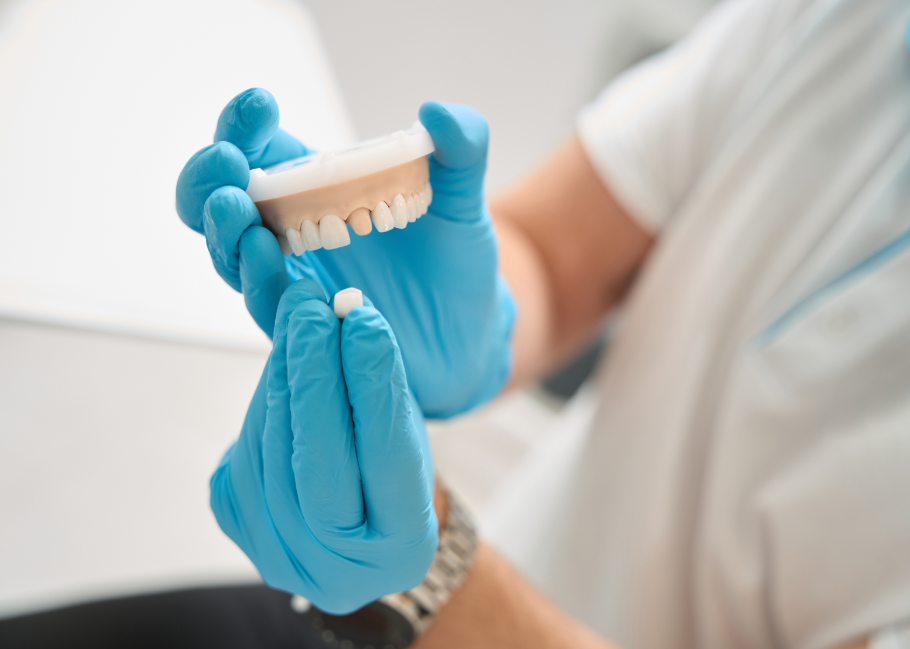
A dental crown is designed to restore strength, function, and appearance to a damaged tooth. Whether you’ve received a crown after a root canal, to repair a fracture, or to improve aesthetics, it’s natural to wonder how long it will last. While crowns are built for durability, their lifespan depends on several factors—including the material used and how well you care for your oral health.
Average Lifespan of a Dental Crown
On average, dental crowns last between 5 and 15 years. However, many patients find their crowns remain in excellent condition for 20 years or longer with proper care. The longevity often depends on the type of material used.
Porcelain crowns are popular for their natural appearance, especially on front teeth, but may wear faster under heavy pressure. Porcelain-fused-to-metal crowns offer a balance of strength and aesthetics. Gold and metal alloy crowns are extremely durable and resistant to wear, making them a long-lasting option for back teeth where chewing forces are strongest.
Regardless of material, regular dental checkups play an important role in monitoring the crown and the underlying tooth.
Factors That Affect Crown Longevity
Several everyday habits and conditions can influence how long your crown lasts. Teeth grinding or clenching, known as bruxism, places significant stress on crowns and can lead to chips, cracks, or loosening over time. If you grind your teeth at night, your dentist may recommend a custom nightguard to protect both your crown and natural teeth.
Oral hygiene is another major factor. While crowns themselves cannot decay, the tooth underneath them can. Plaque buildup along the gumline can lead to decay at the crown’s margin, potentially compromising the restoration. Brushing twice daily, flossing carefully around the crown, and using antimicrobial mouthwash can help prevent these issues.
Diet also plays a role. Frequently chewing ice, hard candies, or non-food items can damage a crown. Sticky foods may pull at the crown or weaken the cement holding it in place.
Signs Your Crown May Need Replacement
Even with excellent care, crowns may eventually need repair or replacement. Warning signs include persistent discomfort, sensitivity, visible cracks, a loose feeling, or gum recession around the crowned tooth. Changes in your bite or difficulty chewing can also indicate that the crown is no longer fitting properly.
If you notice any of these symptoms, scheduling a dental visit promptly can prevent further damage and help preserve the underlying tooth.
How to Make Your Dental Crown Last Longer
Protecting your dental crown doesn’t require complicated steps—just consistent habits. Maintain a thorough oral hygiene routine, attend regular dental cleanings, and avoid using your teeth as tools to open packages. Wearing a mouthguard during sports and a nightguard if you grind your teeth can also extend the life of your crown.
Being mindful of what you eat and how you use your teeth helps reduce unnecessary stress on your restoration. Small daily choices can make a significant difference in how long your crown remains functional and comfortable.
With proper care and attention, your dental crown can serve you well for many years.
About the Practice
Northwest Family Dental of Huntsville is led by Dr. Kevin Grill, who combines clinical expertise with a friendly, relationship-focused approach to care. The practice offers comprehensive services, from preventive and children’s dentistry to restorative and cosmetic treatments, all in a modern, welcoming environment. With a commitment to personalized service and patient education, the team strives to make every visit comfortable while supporting long-term oral health for the entire family.
Call us at (937) 843-3932 or schedule your appointment online.